
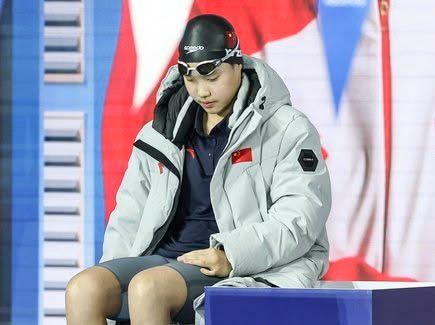
How Is 13-Year-Old Yu Zidi Changing the Conversation Around Young Swimming Stars

How Is 13-Year-Old Yu Zidi Changing the Conversation Around Young Swimming Star.
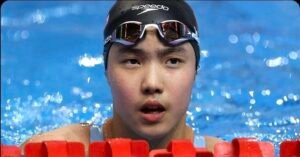
At just 13 years old, Chinese swimmer Yu Zidi has become one of the biggest stories of the 2026 Asian Games after producing two record-breaking performances in the pool.
Her rapid rise is attracting attention not only because of her age, but also because of the level at which she is competing against established international swimmers. After winning gold in the women’s 200-metre butterfly, Yu followed it with another gold medal and an Asian record in the 200-metre individual medley.
Her performances are raising a broader question for international swimming: how early can young athletes compete at the highest level while continuing to develop safely and sustainably?
Yu Zidi’s Remarkable Asian Games Start
Yu made an immediate impact on her Asian Games debut.
In the women’s 200m butterfly, she won gold in 2 minutes 5.08 seconds, setting a new Asian Games record. The victory was the first major individual title of her young career.
Less than 24 hours later, she returned to the pool and produced another extraordinary performance.
Yu won the women’s 200m individual medley in 2:06.10, breaking the previous Asian record of 2:06.82. Her time was also just 0.40 seconds away from the world record of 2:05.70 held by Canadian Olympic champion Summer McIntosh.
The performance was particularly notable because Yu had improved significantly on her previous personal best.
NBC Sports reported that her 2:06.10 was the second-fastest performance in history in the women’s 200m individual medley at that point.
Why Her Age Is Generating So Much Attention
Swimming has produced several teenage stars over the years, but Yu’s performances are unusual because of the combination of her age and results.
She is still 13, yet she is already competing against Olympic and world-level swimmers.
At the 2025 World Championships in Singapore, Yu became the youngest swimmer to win a World Championships medal after helping China win bronze in the women’s 4x200m freestyle relay. She was only 12 at the time.
Her performance at the 2026 Asian Games has now moved her from being viewed primarily as a promising young swimmer to becoming one of the athletes attracting serious international attention.
A New Generation of Young Swimming Stars
Yu’s rise is part of a wider trend in swimming in which young athletes are reaching the highest level earlier.
Canadian swimmer Summer McIntosh is another prominent example. McIntosh became an Olympic champion as a teenager and now holds the women’s world records in the 200m butterfly, 200m individual medley and 400m individual medley.
Yu competes in the same three events.
That has naturally created interest in a potential rivalry between the two swimmers. However, their careers are at different stages, and future competitions will determine how often they meet and how their performances develop.
For now, the comparison highlights how quickly the standard among elite young swimmers is rising.
Yu Is Not Treating Her Success as the Finish Line
Despite the enormous attention surrounding her performances, Yu has remained focused on improvement.
After winning her second Asian Games gold medal, she said the result reflected the hard work of her training team. She also said she did not want to become overconfident and would continue working hard.
Her comments provide an important perspective on the pressures facing young athletes.
Winning major medals at 13 can generate enormous expectations. Maintaining a long-term career requires continued development rather than simply trying to repeat early success.
The Pressure Surrounding Young Athletes
Yu’s success has also prompted discussion about the pressure placed on very young athletes.
Reuters reported that her international success at such a young age has raised concerns among child-protection experts. At the same time, Hong Kong Olympic swimmer Siobhan Haughey said young swimmers such as Yu can be positive for the sport and noted that Yu appears comfortable competing at major events.
This creates an important balance.
Young athletes can inspire millions of fans and demonstrate extraordinary sporting ability. However, they are also still children who need education, rest, appropriate coaching and protection from excessive pressure.
Yu’s story therefore extends beyond medals and records. It raises questions about how sporting organisations can support young competitors while allowing them to pursue elite careers.
Her Performances Are Expanding Interest in Swimming
One clear effect of Yu’s emergence is increased attention on swimming.
Her age makes her story particularly accessible to younger sports fans, while her performances have attracted interest from established swimming audiences.
Her Asian Games results have also added another storyline to China’s already strong swimming campaign. China has produced multiple gold-medal performances in the pool, while Japan, South Korea and Hong Kong have also celebrated major results.
Yu’s success has therefore become part of a larger international swimming story.
What Could Come Next for Yu?
Yu still has plenty of time to develop before reaching the age at which many swimmers enter their prime.
She is scheduled to compete in the women’s 400m individual medley at the Asian Games, giving her another opportunity to test herself against international competition.
Attention is also likely to remain on her future at the World Championships and the 2028 Los Angeles Olympics.
However, it is important not to assume that her current performances automatically determine her future. Young athletes develop at different rates, and maintaining elite performance over many years involves physical development, coaching, health management and competition experience.
Could Yu Help Define the Next Era of Women’s Swimming?
The emergence of Yu Zidi gives international swimming another young athlete to follow.
Her two Asian Games gold medals and record-breaking times have demonstrated that she can compete at an exceptionally high level despite being only 13. Her performances have also placed her in conversations alongside established stars such as Summer McIntosh.
But perhaps the most important part of Yu’s story is what it says about the changing landscape of women’s swimming.
Young athletes are increasingly arriving on the international stage with sophisticated training programmes, extensive competition experience and performances that can challenge established records.
Yu’s rise does not mean that age alone determines sporting success. Instead, her performances show that exceptional young athletes can already make an impact at major international competitions.
For now, Yu Zidi’s Asian Games campaign has given swimming fans another remarkable young talent to watch. Her next challenge will be turning an extraordinary beginning into a sustainable long-term career.
How Is 13-Year-Old Yu Zidi Changing the Conversation Around Young Swimming Stars?
At just 13 years old, Chinese swimmer Yu Zidi has become one of the biggest stories of the 2026 Asian Games after producing two record-breaking performances in the pool.
Her rapid rise is attracting attention not only because of her age, but also because of the level at which she is competing against established international swimmers. After winning gold in the women’s 200-metre butterfly, Yu followed it with another gold medal and an Asian record in the 200-metre individual medley.
Her performances are raising a broader question for international swimming: how early can young athletes compete at the highest level while continuing to develop safely and sustainably?
Yu Zidi’s Remarkable Asian Games Start
Yu made an immediate impact on her Asian Games debut.
In the women’s 200m butterfly, she won gold in 2 minutes 5.08 seconds, setting a new Asian Games record. The victory was the first major individual title of her young career.
Less than 24 hours later, she returned to the pool and produced another extraordinary performance.
Yu won the women’s 200m individual medley in 2:06.10, breaking the previous Asian record of 2:06.82. Her time was also just 0.40 seconds away from the world record of 2:05.70 held by Canadian Olympic champion Summer McIntosh.
The performance was particularly notable because Yu had improved significantly on her previous personal best.
NBC Sports reported that her 2:06.10 was the second-fastest performance in history in the women’s 200m individual medley at that point.
Why Her Age Is Generating So Much Attention
Swimming has produced several teenage stars over the years, but Yu’s performances are unusual because of the combination of her age and results.
She is still 13, yet she is already competing against Olympic and world-level swimmers.
At the 2025 World Championships in Singapore, Yu became the youngest swimmer to win a World Championships medal after helping China win bronze in the women’s 4x200m freestyle relay. She was only 12 at the time.
Her performance at the 2026 Asian Games has now moved her from being viewed primarily as a promising young swimmer to becoming one of the athletes attracting serious international attention.
A New Generation of Young Swimming Stars
Yu’s rise is part of a wider trend in swimming in which young athletes are reaching the highest level earlier.
Canadian swimmer Summer McIntosh is another prominent example. McIntosh became an Olympic champion as a teenager and now holds the women’s world records in the 200m butterfly, 200m individual medley and 400m individual medley.
Yu competes in the same three events.
That has naturally created interest in a potential rivalry between the two swimmers. However, their careers are at different stages, and future competitions will determine how often they meet and how their performances develop.
For now, the comparison highlights how quickly the standard among elite young swimmers is rising.
Yu Is Not Treating Her Success as the Finish Line
Despite the enormous attention surrounding her performances, Yu has remained focused on improvement.
After winning her second Asian Games gold medal, she said the result reflected the hard work of her training team. She also said she did not want to become overconfident and would continue working hard.
Her comments provide an important perspective on the pressures facing young athletes.
Winning major medals at 13 can generate enormous expectations. Maintaining a long-term career requires continued development rather than simply trying to repeat early success.
The Pressure Surrounding Young Athletes
Yu’s success has also prompted discussion about the pressure placed on very young athletes.
Reuters reported that her international success at such a young age has raised concerns among child-protection experts. At the same time, Hong Kong Olympic swimmer Siobhan Haughey said young swimmers such as Yu can be positive for the sport and noted that Yu appears comfortable competing at major events.
This creates an important balance.
Young athletes can inspire millions of fans and demonstrate extraordinary sporting ability. However, they are also still children who need education, rest, appropriate coaching and protection from excessive pressure.
Yu’s story therefore extends beyond medals and records. It raises questions about how sporting organisations can support young competitors while allowing them to pursue elite careers.
Her Performances Are Expanding Interest in Swimming
One clear effect of Yu’s emergence is increased attention on swimming.
Her age makes her story particularly accessible to younger sports fans, while her performances have attracted interest from established swimming audiences.
Her Asian Games results have also added another storyline to China’s already strong swimming campaign. China has produced multiple gold-medal performances in the pool, while Japan, South Korea and Hong Kong have also celebrated major results.
Yu’s success has therefore become part of a larger international swimming story.
What Could Come Next for Yu?
Yu still has plenty of time to develop before reaching the age at which many swimmers enter their prime.
She is scheduled to compete in the women’s 400m individual medley at the Asian Games, giving her another opportunity to test herself against international competition.
Attention is also likely to remain on her future at the World Championships and the 2028 Los Angeles Olympics.
However, it is important not to assume that her current performances automatically determine her future. Young athletes develop at different rates, and maintaining elite performance over many years involves physical development, coaching, health management and competition experience.
Could Yu Help Define the Next Era of Women’s Swimming?
The emergence of Yu Zidi gives international swimming another young athlete to follow.
Her two Asian Games gold medals and record-breaking times have demonstrated that she can compete at an exceptionally high level despite being only 13. Her performances have also placed her in conversations alongside established stars such as Summer McIntosh.
But perhaps the most important part of Yu’s story is what it says about the changing landscape of women’s swimming.
Young athletes are increasingly arriving on the international stage with sophisticated training programmes, extensive competition experience and performances that can challenge established records.
Yu’s rise does not mean that age alone determines sporting success. Instead, her performances show that exceptional young athletes can already make an impact at major international competitions.
For now, Yu Zidi’s Asian Games campaign has given swimming fans another remarkable young talent to watch. Her next challenge will be turning an extraordinary beginning into a sustainable long-term career.