
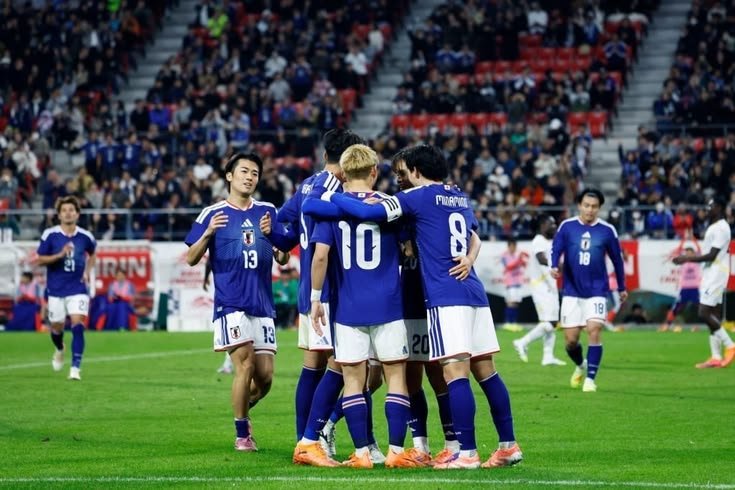

2026 Asian Games Open in Japan as Thousands of Athletes Compete Across 43
The 2026 Asian Games have officially opened in Nagoya, Japan,2026 Asian Games Open in Japan as Thousands of Athletes Compete Across 43 Sports2026 Asian Games Open in Japan as Thousands of Athletes Compete Across bringing together thousands of athletes from across Asia for one of the world’s largest international multi-sport events. The opening ceremony took place on September 19 at Nagoya City Mizuho Park Athletic Stadium, officially beginning a 16-day competition that will run through October 4.
The Aichi-Nagoya Asian Games are the 20th edition of the continental sporting event and mark the third time Japan has hosted the summer Asian Games, following Tokyo in 1958 and Hiroshima in 1994. The event is being staged mainly in Aichi Prefecture, although competitions are also taking place in other parts of Japan.
Thousands of Athletes Gather in Japan
The scale of the 2026 Asian Games is one of the major features of this year’s competition. Organizers expect more than 11,000 athletes from 45 countries and regions to participate, while the wider athlete and official population is around 17,000.
The number of athletes is comparable to, and potentially greater than, the number who competed at the Paris 2024 Summer Olympics. The Paris Olympics had about 10,700 athletes, highlighting the enormous size of the Asian Games.
Athletes will compete for medals across 43 sports and 71 disciplines. The program includes 469 medal events, giving competitors from a wide range of sporting backgrounds the opportunity to represent their countries on a major international stage.
A Major Sporting Celebration for Japan
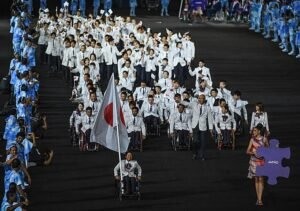
The opening ceremony in Nagoya featured performances, music, cultural displays and the formal parade of athletes.
Japan’s Emperor Naruhito officially declared the Games open. The ceremony was held at Nagoya City Mizuho Park Athletic Stadium, which serves as an important venue for the Games.
The organizers used the theme “Harmonic Heart Beat,” reflecting the idea of athletes and countries coming together through sport. The Games’ broader slogan is “Imagine One Asia.”
For Japan, the event represents an opportunity to host a major2026 Asian Games Open in Japan as Thousands of Athletes Compete Across 43 Sports international sporting competition with spectators after the unusual circumstances surrounding the Tokyo 2020 Olympics, which were held largely without fans because of COVID-19 restrictions.
The Asian Games also give Nagoya and Aichi Prefecture an opportunity to showcase their cities, facilities and culture to visitors from throughout Asia.
Competition Covers 43 Sports
The 2026 Asian Games feature a broad sporting program that combines major Olympic sports with disciplines that have strong popularity and traditions in Asia.
Athletes are competing in sports such as athletics, swimming, gymnastics, badminton, table tennis, tennis, weightlifting, basketball, football, volleyball and archery.
The Games also include sports that are less familiar to audiences outside Asia, including kabaddi, kurash and sepaktakraw. Several newer sports are also part of the program, including mixed martial arts, padel, teqball and virtual taekwondo.
Esports will again feature as a medal sport after making its Asian Games debut at Hangzhou in 2023. The inclusion of newer disciplines reflects the changing sporting interests of younger audiences and the effort to make the Asian Games relevant to a wider generation of fans.
Some Events Started Before the Opening Ceremony
Although the official opening ceremony took place on September 19, some competitions had already started because of the size of the schedule.
Basketball and football were among the sports that began before the formal ceremony. Organizers had to spread competitions across different dates and locations to accommodate the large number of events.
The main host city is Nagoya, but some competitions are taking place outside Aichi Prefecture. Swimming events are being staged in Tokyo, while some football matches are being played in Osaka and Shizuoka.
This wide geographic distribution allows more parts of Japan to participate in the Games while helping organizers manage the large competition schedule.
Strong Competition Expected Across Asia
The Asian Games are known for intense competition in sports where Asian countries have developed strong international programs.
China, Japan, South Korea, India and several other nations are expected to attract significant attention across different sports. Japan has entered a large delegation of athletes, with reports putting its team at more than 900 competitors.
China will also have a large team and will be closely watched in sports such as swimming, table tennis, gymnastics and other disciplines where it has traditionally performed strongly.
South Korea is competing in 41 of the 43 sports and has more than 1,000 athletes and officials involved in its delegation.
However, the Asian Games are not only about the largest sporting nations. Smaller countries and territories have opportunities to compete for medals and gain experience against some of the strongest athletes in the region.
Olympic Opportunities for Athletes
For some competitors, the Asian Games are also an important step toward future Olympic competition.
Several sports at the 2026 Asian Games can provide opportunities related to qualification for the 2028 Los Angeles Olympics. These include archery, hockey, sailing, squash, surfing, tennis and triathlon.
That gives the competition additional importance for athletes who are building toward the next Summer Olympics.
Success in Nagoya could also provide athletes with greater international recognition and confidence as they prepare for future world championships and Olympic qualification campaigns.
New Challenges for Organizers
While the sporting action has attracted attention, the organization of the Games has also faced challenges.
One of the most discussed issues has been accommodation. Organizers decided not to build a traditional athletes’ village. Instead, athletes and officials are being accommodated in hotels, temporary structures and a cruise ship.
Some athletes have criticized the size of some rooms and beds. However, IOC President Kirsty Coventry inspected one of the accommodation facilities and publicly expressed support for the arrangements, saying the facilities she visited were comfortable and functional.
The unusual accommodation plan reflects efforts by organizers to control costs and use existing infrastructure rather than construct a large permanent village.
A Platform for Asian Sport
Beyond the medals, the Asian Games provide an important platform for sporting development across the continent.
The event gives established stars the chance to compete at a major international competition while providing younger athletes with experience against high-level opposition.
It also allows sports with strong regional traditions to receive international attention. Disciplines such as kabaddi, sepaktakraw and kurash are important parts of the sporting identity of several Asian countries and territories.
The inclusion of esports, padel, teqball and other newer disciplines also demonstrates how the Games are evolving.
What to Expect as Competition Continues
With competition continuing until October 4, attention will now turn toward medal races, record-breaking performances and individual athletes attempting to establish themselves as stars of the Games.
Fans can expect major competition in athletics, swimming, gymnastics, badminton, table tennis, tennis, football and many other sports.
The 2026 Asian Games also provide an opportunity to observe how Asian sporting powers compare across different disciplines and how emerging nations perform against more established teams.
For Japan, the Games are an opportunity to reconnect with the atmosphere of a major international sporting festival. For athletes, they represent a chance to win continental titles, gain experience and build momentum toward future competitions.
As the events continue across Japan, the Aichi-Nagoya Asian Games are set to provide more than two weeks of competition involving thousands of athletes and hundreds of medal events.
The opening ceremony has officially begun the celebration, but the biggest sporting moments are still to come.