

Why Is MMA Using Different Rules at the Asian Games
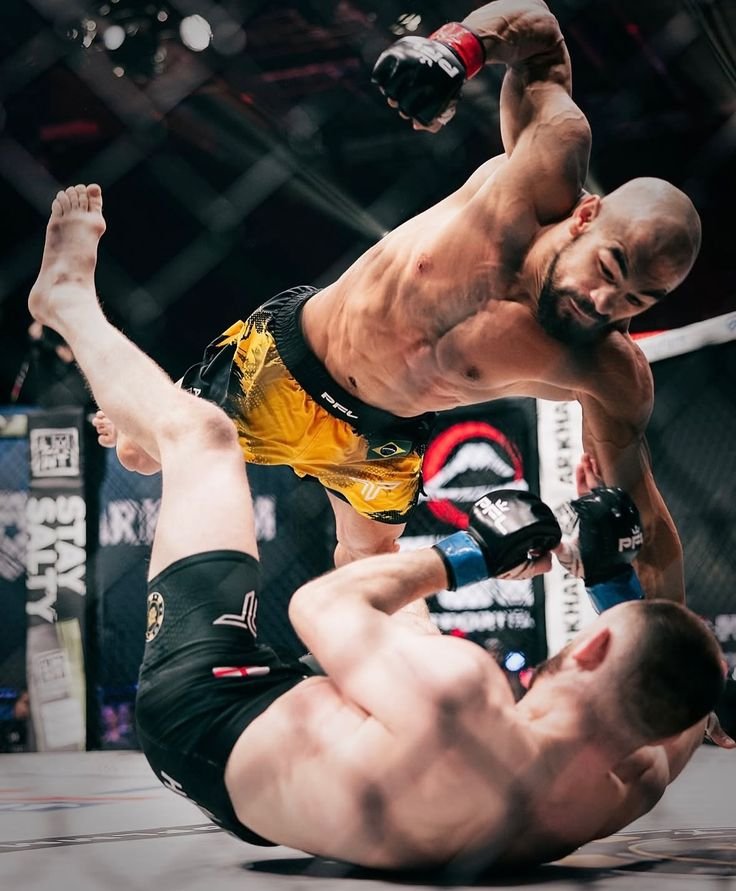
Mixed martial arts is making its Asian Games debut in Aichi-Nagoya 2026, but fans watching the competition may notice something unusual: it does not look exactly like the MMA seen in major professional promotions.
There is no traditional cage around the fighters. Athletes wear shin guards, and some techniques commonly associated with professional MMA are restricted. The competition is being staged under a modified ruleset designed to place greater emphasis on athlete safety and make MMA suitable for a major multi-sport event.
The differences have attracted attention because MMA’s Asian Games appearance is also connected to the sport’s longer-term ambition of gaining wider international recognition, including potentially becoming an Olympic sport.
Why Is MMA Different at the Asian Games?
The main reason is safety.
Professional MMA is designed for elite combat athletes competing under a ruleset that allows a wide range of striking, grappling and submission techniques. The Asian Games format takes a more cautious approach.
FIMMA, the Federation of International Mixed Martial Arts, says its rules are designed around athlete safety and are intended to make MMA more suitable for the Olympic environment.
The changes do not remove the fundamental elements of MMA. Competitors can still combine striking, takedowns, grappling and submissions. However, certain techniques and equipment have been modified to reduce some of the risks associated with the sport.
Why Is There No Cage?
Perhaps the most noticeable difference is the absence of the familiar MMA cage.
Instead, fighters compete on an open mat with a marked area. The Japanese Olympic Committee explains that the Asian Games uses the AMMA rules, which were introduced by the Asian Mixed Martial Arts Association and use an enclosed-free mat rather than a cage or ring.
There is also a practical reason for this arrangement.
An open mat can be installed inside facilities already designed for sports such as judo and karate. FIMMA officials have argued that this makes the competition easier to organise at multi-sport events because organisers do not need to construct a large cage.
The format also gives referees and judges an unobstructed view of the action.
Why Are Shin Guards Used?
Shin guards are another important difference.
The equipment provides additional protection during striking exchanges, particularly because fighters can use kicks as part of their attacks.
The AMMA competition rules include shin guards as part of the required equipment.
The approach reflects the broader philosophy behind the Asian Games format: MMA can remain a genuine combat sport while adapting its equipment and rules for a major amateur competition.
Why Are Elbows Restricted?
Elbow strikes are prohibited under the AMMA rules.
The restrictions are particularly important because elbows can cause significant cuts and injuries during close-range exchanges. Removing them allows the organisers to reduce some of the more damaging forms of striking while maintaining punches, kicks, takedowns and ground fighting.
The AMMA youth rules also specifically prohibit elbow strikes and knee strikes to the head, illustrating the safety-focused approach used within the organisation’s competition framework.
What About Knees?
Knee strikes are also more restricted than in many professional MMA competitions.
The Asian Games format prohibits knees to a grounded opponent, while the rules allow certain knee strikes to other areas of the body depending on the situation and competition category.
These restrictions are intended to reduce some of the most dangerous forms of ground striking.
As a result, fighters must adapt their strategies. Athletes who are accustomed to professional-style MMA cannot simply approach an Asian Games bout in exactly the same way as a conventional professional fight.
Traditional and Modern MMA
Another unusual feature is that the Asian Games programme includes different MMA disciplines.
FIMMA and the Asian Mixed Martial Arts Association prepared six medal events involving Modern and Traditional MMA. The competition includes men’s Modern MMA at 60kg and 71kg, men’s Traditional MMA at 65kg and 77kg, women’s Modern MMA at 54kg and women’s Traditional MMA at 60kg.
Traditional MMA can involve athletes wearing a martial arts uniform, while Modern MMA uses different competition attire.
This gives the Asian Games version of MMA a distinctive identity compared with the professional MMA format most international fans know.
Is It Still MMA?
Yes.
The fundamental concept remains the same: fighters combine techniques from multiple martial arts disciplines.
Competitors can use striking, wrestling, throws, ground fighting and submission techniques. The difference is that the competition environment and permitted techniques have been adjusted.
The Japanese Olympic Committee describes MMA as a combat sport combining striking, throws and ground submissions, while highlighting the distinctive AMMA rules used at the Asian Games.
Therefore, the modified rules do not represent a completely different sport. They represent a particular competitive format designed for the Asian Games.
Why Is Safety So Important?
MMA’s Olympic ambitions make safety especially important.
The sport has grown enormously through professional competitions, but Olympic competition has different requirements. Organisers need to demonstrate that athletes can compete within a structured system that places strong emphasis on medical procedures, rules, officiating and athlete welfare.
FIMMA has specifically presented its Asian Games rules as a safety-focused approach that could help MMA become more acceptable within the Olympic movement.
The Asian Games therefore provide an opportunity to demonstrate whether the sport can operate successfully under this type of format.
Could These Rules Help MMA Reach the Olympics?
MMA’s appearance at the Asian Games is an important step, but Olympic recognition remains complicated.
One issue is governance. FIMMA is seeking recognition while other international organisations, including GAMMA and IMMAF, also have ambitions to represent amateur MMA internationally.
Reuters reported that the lack of a universally accepted ruleset and competition among governing bodies remain obstacles to MMA’s Olympic ambitions.
The Asian Games format gives FIMMA an opportunity to demonstrate one possible model for international MMA competition.
However, Olympic inclusion would require broader international acceptance and an effective governance structure.
What Does the Asian Games Debut Mean for MMA?
The 2026 Asian Games represent a significant moment for MMA because they allow the sport to operate inside one of Asia’s largest multi-sport competitions.
At least 59 athletes from 23 National Olympic Committees were expected to compete across the six medal events.
The event can provide valuable experience for athletes, coaches, referees and organisers.
It can also help international sports officials evaluate how MMA works when adapted to a multi-sport environment.
A Different Version With a Bigger Goal
The modified MMA rules at the Asian Games are therefore not simply about changing the sport for entertainment purposes.
The open mat, protective equipment and restrictions on certain techniques are part of a broader attempt to create a structured, safety-focused version of MMA for international competition.
The format may look different from professional MMA, but the underlying objective is clear: demonstrate that mixed martial arts can operate as a regulated international sport.
Whether this approach eventually helps MMA move closer to Olympic recognition will depend on athlete safety, competition quality, governance and whether international organisations can develop greater agreement.
For now, the Asian Games have given MMA a new stage. The sport’s biggest challenge may be proving that its different competitive traditions can come together under a ruleset that is accepted across the international sporting community.