
Why Is Japan Becoming a New Destination for International Cricket?

Why Is Japan Becoming a New Destination for International Cricket?

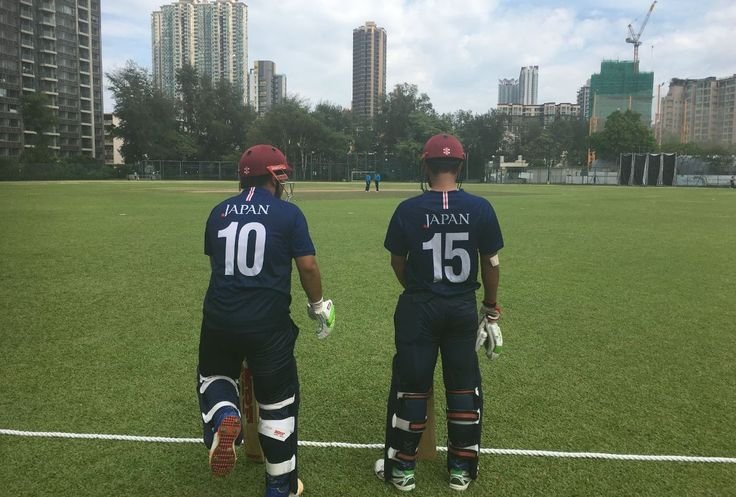
Japan has traditionally been associated with baseball, football, and other sports rather than cricket. However, that is beginning to change as the country prepares to host a series of major international cricket events in September 2026.
The Japan Cricket Association (JCA) has spent years developing the sport, building relationships with cricket-playing countries and improving local facilities. Those efforts are now bringing some of the biggest teams in world cricket to Japanese soil.
A major milestone will come on September 22, when Japan faces India in a historic men’s T20 International at the Sano International Cricket Ground. It will be the first meeting between the two countries in international cricket and Japan’s first match against an ICC Full Member nation.
Why Is Japan Attracting International Cricket?
One of the biggest reasons is the country’s growing involvement in major international sporting events.
Japan is hosting the 2026 Asian Games in the Aichi-Nagoya region, where cricket is part of the competition. Several established cricket nations, including India, Pakistan, Sri Lanka, Bangladesh and Afghanistan, are expected to participate.
For Japanese cricket officials, the Asian Games provide an opportunity to expose a much wider audience to the sport.
The competition also comes at an important time for cricket globally. The sport is scheduled to return to the Olympic Games at Los Angeles 2028, increasing interest in expanding cricket beyond its traditional markets.
The Japan Cricket Association believes major international competitions can help introduce the sport to Japanese audiences while creating opportunities for young players.
The Historic India-Japan Match
The upcoming India-Japan T20I is one of the clearest examples of Japan’s growing role in international cricket.
India are the reigning men’s T20 World Cup champions, while Japan are still developing their international program. The match therefore represents a significant opportunity for Japanese players to compete against some of the world’s leading cricketers.
The Japan Cricket Association and India’s Board of Control for Cricket confirmed the match earlier this month.
For Japan, the fixture is about more than the result. It is an opportunity to demonstrate that the country can host major cricket events and create greater interest among local fans.
Japan captain Kendel Kadowaki-Fleming has described the match as a potential first step toward Japan regularly competing against Full Member countries.
Japan Still Has a Long Way to Go
Despite the recent progress, cricket remains a relatively small sport in Japan.
Reuters reports that Japan has around 7,300 registered players and only 16 cricket grounds. The women’s national team is ranked 39th in the world, while the men’s team is ranked two places lower.
Those numbers show the scale of the challenge facing Japanese cricket.
Baseball remains deeply established in Japanese sporting culture, while football also attracts a large national following. Cricket must therefore compete for players, facilities, media attention and young fans.
Japan Cricket Association chief executive Naoki Alex Miyaji has acknowledged that a single match or tournament will not suddenly make cricket as popular as baseball or football.
Instead, the association sees the current period as the beginning of a longer development process.
New Cricket Facilities Are Helping
Infrastructure is another important part of Japan’s cricket development.
A remodeled baseball facility at Korogi Sports Park in Nisshin has been converted for cricket and successfully hosted matches during the ICC Men’s T20 World Cup East Asia-Pacific Qualifier earlier in 2026.
The facility attracted hundreds of spectators, including schoolchildren and people watching cricket for the first time. The International Cricket Council reported that temporary seating will allow the venue to accommodate around 2,000 spectators during the Asian Games.
The development of permanent cricket facilities could be particularly important for Japan’s long-term ambitions.
Having suitable grounds allows the country to host international teams, organize domestic competitions and provide young players with places to train and compete.
Sports Diplomacy Is Also Playing a Role
Cricket is also becoming part of Japan’s diplomatic relationship with India.
The India-Japan T20I has been organized as part of celebrations marking 75 years of diplomatic relations between the two countries. Japanese and Indian officials have supported the event, while Suzuki has become a major sponsor.
Reuters reported that Japanese government involvement helped the Japan Cricket Association strengthen its efforts to bring India to Japan for the historic fixture.
This demonstrates how international cricket can serve purposes beyond sport.
For India, cricket is one of the country’s most influential sports. For Japan, working with India’s cricket authorities provides an opportunity to develop the sport while strengthening cultural and sporting connections between the two countries.
The Asian Games Could Provide Another Boost
The 2026 Asian Games could prove equally important.
Japan will compete in the cricket tournament while several established Asian cricket nations travel to the country. Afghanistan, Nepal and other teams will provide Japanese players with opportunities to gain experience against stronger opposition.
For spectators, the Asian Games could provide a chance to see international cricket without traveling to traditional cricket markets.
The tournament could also introduce cricket to Japanese children who may have never watched the sport before.
The ICC has already reported positive signs from cricket events in Nisshin, where new spectators attended matches and some local people rediscovered connections with the sport after previously playing it at university or in their younger years.
Could Japan Become a Regular Cricket Host?
The biggest question is whether Japan can maintain momentum after the major events are finished.
Hosting India and the Asian Games can generate attention, but long-term growth will depend on what happens afterward. Japan will need more players, coaches, grounds, domestic competitions and regular international fixtures.
The Japan Cricket Association is already working on participation and coaching development as part of its longer-term plans. A permanent high-quality venue in the Nagoya region could also help the association organize more major matches in the future.
Another important factor will be media coverage.
The ICC has highlighted the importance of streaming Japanese cricket matches and making top-level cricket available in Japanese. Greater visibility could help the sport reach audiences beyond the existing cricket community.
A New Chapter for Japanese Cricket
Japan is not yet a major cricket nation, and there is no indication that the sport will immediately rival baseball or football in popularity.
However, the developments of 2026 represent an important change.
The historic match against India, the Asian Games competition, improved facilities and growing international partnerships are giving Japanese cricket an unprecedented level of exposure.
For international cricket, Japan offers a new market and a different sporting environment. For Japan, the current opportunity is a chance to introduce a relatively unfamiliar sport to a much wider audience.
Whether this leads to sustained growth will depend on the investment and participation that follow these major events.
For now, however, Japan is becoming increasingly visible on the international cricket calendar — and September 2026 could mark an important chapter in the country’s cricket story.