
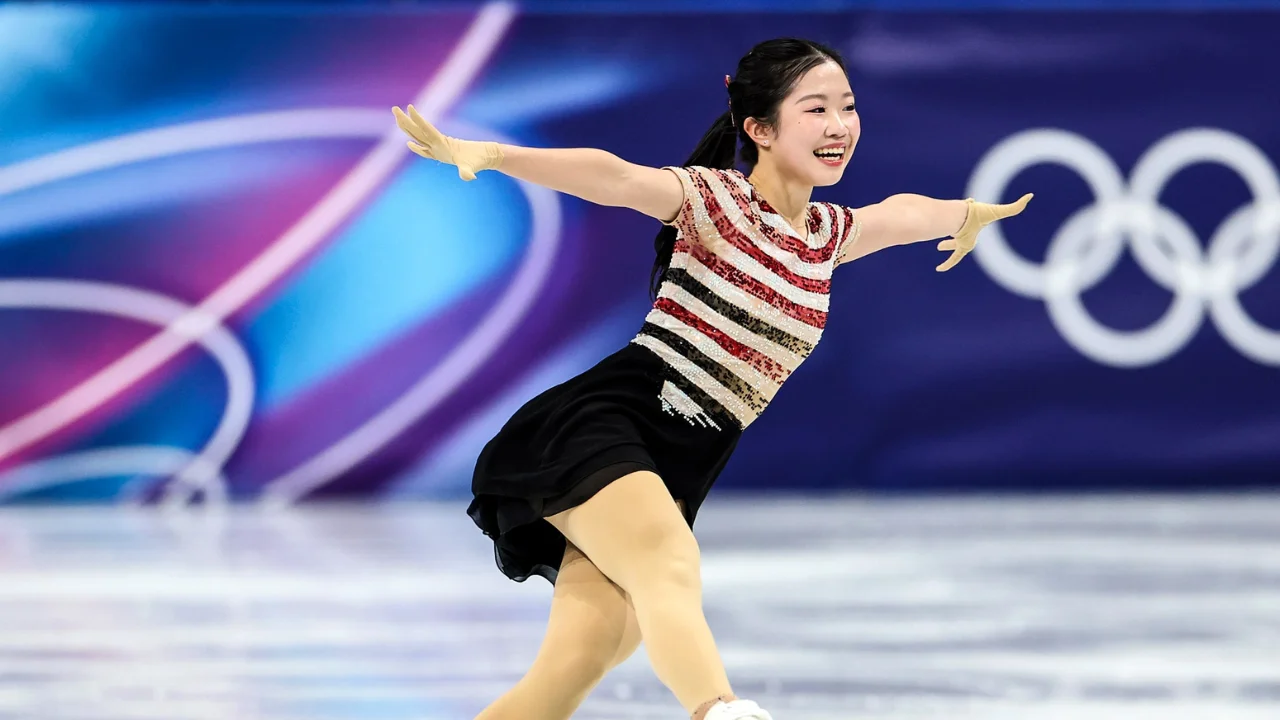
2026 Winter Olympics Women’s Singles Free Skating | Schedule, Leaders and Medal Contenders

2026 Winter Olympics: The women’s singles figure skating competition at the 2026 Winter Olympics in Milan will conclude on Thursday, February 19, when the free skating segment determines the Olympic medals. No medals have yet been awarded, as the final standings will only be confirmed after the completion of the free skate. Scores from the short programme and the free skating will be combined to decide gold, silver and bronze.
Event Schedule and Competition Format
The Olympic women’s singles competition is conducted across two segments. The short programme took place on February 17, while the free skating segment, which serves as the medal round, is scheduled for February 19.
The free skate is the longer routine and carries greater scoring weight than the short programme. Because of its higher value, it frequently reshapes the standings established earlier in the week. Performances in this final segment will ultimately decide the podium positions.
Leaders After the Short Programme
After the completion of the short programme earlier this week, the leaderboard remains extremely tight, leaving the podium wide open heading into the decisive free skating performances.
- 1st: Ami Nakai (Japan)
- 2nd: Kaori Sakamoto (Japan)
- 3rd: Alysa Liu (USA)
The narrow margin separating the top three skaters ensures that the final medal positions remain uncertain. With combined scoring determining the final outcome, even small differences in execution and technical content during the free skate could shift the standings.
Why the Free Skate Is Decisive
The free skating segment plays a critical role in Olympic figure skating. It allows athletes to attempt more complex jumps, combinations and technical elements than the short programme. Because it contributes a larger share of the total score, it often becomes the defining moment of the competition.
A clean routine featuring high difficulty can elevate a skater into medal position. Conversely, visible errors, under-rotations or falls can cause significant drops in placement. With cumulative scoring in effect, the balance between technical execution and performance quality will determine who stands on the podium.
Top Medal Contenders to Watch
Kaori Sakamoto enters the free skating final as one of the strongest contenders. The experienced Japanese skater is known for performing with consistency under pressure and remains within striking distance of the lead.
Ami Nakai, currently leading after the short programme, will aim to defend her position in the free skate. Holding first place gives her a valuable advantage, but the slim gap means her final performance must maintain both technical precision and composure.
Alysa Liu stands as the leading American contender for the podium. Sitting third after the short programme, she remains firmly in medal contention. A high-scoring free skate could propel her into silver or even gold, depending on how the athletes ahead perform.
Beyond the top three, several other finalists remain capable of moving into medal positions. With the standings tightly grouped, the free skating segment offers an opportunity for movement throughout the leaderboard.
Results Timing and Medal Decision
The women’s free skating final is scheduled for Thursday evening in Milan. Official results are expected shortly after the conclusion of the event, once judges confirm and finalise the combined scores from both segments.
With high stakes, a narrow leaderboard and Olympic medals on the line, the women’s singles free skating final promises one of the most closely contested finishes of the figure skating programme at Milano Cortina. By the end of the evening, Olympic champions in women’s singles figure skating will be crowned.



[…] Also Read : 2026 Winter Olympics Women’s Singles Free Skating | Schedule, Leaders and Medal Contenders […]